How a Simple 4-Step Method Ends the Screen-Time Battle, Without Yelling, Threats, or Bargaining

If you are secretly dreading the moment you have to say "time's up" — if screen time in your house has turned into shouting, bargaining, or you physically taking the device away — read every word on this page.
You've said it a hundred times. "Five more minutes, then you're done." And somehow, twenty minutes later, you're standing in the middle of another fight, wondering how one sentence turned into a war.
Maybe you've tried setting timers. They get ignored.
Maybe you've tried screen-time apps that lock the device automatically. Your child finds a way around them, or the meltdown just moves to a different moment.
Maybe you've tried taking the device away completely for a few days. It works for exactly as long as the punishment lasts, and then you're right back where you started.
Maybe you've tried explaining, calmly, why screen time needs to end. Your child nodded. And then did the exact same thing the next day.
Here's the part that's hard to say out loud: the screen-time fight isn't really about the screen anymore. It's about what it's doing to your evenings. To your patience. To the way you talk to your own child.
Am I too strict? Am I too soft? Why can my child behave perfectly at school and completely fall apart the second I say "turn it off"?
You start to wonder if you've created the problem. You haven't. What's actually missing is a skill nobody ever taught your child: how to leave a screen without a fight.
That's a completely different problem than "my child loves screens too much." And it comes with a completely different fix.
I know. Because I spent years watching this exact cycle play out, in my own house and in dozens of others.
My Name Is Naya

I'm not a therapist. Not a child psychologist. I'm someone who got tired of watching the same fight happen every single evening, in my own home, and started paying close attention to what actually made it worse and what actually made it better.
For years, "turn it off" meant the same thing every time: an argument. I tried the approaches everyone recommends. Timers. Reward charts. Taking the device away as punishment. Explaining the rules calmly, then explaining them again, louder.
None of it addressed the actual problem. The advice out there focuses almost entirely on removing the screen. Almost none of it focuses on what happens in the minutes right after, the part where a child is expected to go from something fast and rewarding to something slow and ordinary, with no bridge in between.
Once I started watching for that gap instead of just fighting the ending, everything about how I approached screen time changed. Not because my child suddenly loved turning off the tablet. Because the ending stopped being a surprise, and started being something my child could actually prepare for.
That shift is what this guide is built around.
It's Not a Screen Problem. It's a Transition Problem.
Think about what's actually happening when a screen is on. A video delivers a new scene, sound, or joke every few seconds. A game delivers a challenge, then a win, then another level. Attention is pulled forward constantly, and rewards arrive instantly.
Then you ask for the opposite: come eat, do homework, take a bath. Slower. Less rewarding. More effort. You're not just switching off a device — you're asking your child's brain to shift gears entirely, usually with no warning at all.
That shift is the transition. And for most children, nobody has ever actually taught them how to do it. They know the rule. They just haven't practiced the skill.
The Big Idea
Your child doesn't have a self-control problem. They have an unpracticed transition. Every time the screen ends suddenly, with no signal, no bridge, and no plan for what comes next, the ending itself becomes the thing they're fighting.
Shout louder, and your child learns that your anger is the actual signal, not the clock. Take the device away by force, and your child never gets to practice stopping on their own.
The fix isn't more willpower from your child, or more firmness from you. It's a repeatable sequence: a warning before the ending, a short bridge after it, something worth moving toward, and gradually less help from you until your child can do it alone.
It isn't that your child refuses to stop. It's that no one has ever shown them how.
Once I understood that, I stopped trying to win the argument every single evening, and started building a system instead. I tested it with my own child first. Then with a few other families who were exhausted by the exact same fight. The pattern held every time: predictability, not more pressure, is what actually changes the ending.
I call it the S.T.E.P.™ Method: Signal, Transition, Exchange, Practice. Four steps that move a child from "I need my parent to make me stop" to "I know when it's time to stop."
It's simple on purpose. No apps to install. No charts to maintain forever. Just a short, repeatable sequence you can start using tonight, done at home, with things you already have.
Follow it as written for two weeks. No shortcuts. Consistency is what makes it work, not intensity.
The First Few Days: Not Much Changes
This part matters, because most parents almost quit right here. In the first few days, your child may still complain when the signal comes. That's expected. You're not trying to eliminate disappointment. You're building a new pattern, and new patterns take repetition before they feel automatic.
Somewhere Around Day 5 or 6: The First Real Shift
This is usually where parents notice the first small change, not a perfectly silent transition, but a shorter one. Fewer reminders needed. One argument instead of five. Small, but real.
By the End of Week Two: The Pattern Starts to Hold
By the end of the fourteen-day structure in this guide, most parents report needing far less prompting. The signal itself starts doing the work that used to take ten minutes of back-and-forth. That's the actual goal, not a child who never wants more screen time, but a child who can hear "it's time to stop" and eventually just... stop.
The strange part isn't the good evenings. It's the first time you forget to brace yourself for the fight, because there isn't one.
What Other Parents Have Shared
Illustrative examples of the kind of feedback this approach tends to get — not verified customer reviews"The five-minute warning alone changed our evenings. My son still grumbles, but he stopped arguing about whether it was actually time."
"Having the next activity already decided removed the 'now what' moment that used to be the worst part."
"It genuinely isn't about my child never being upset anymore. It's that being upset doesn't turn into a thirty-minute standoff."
Same method. Same four steps. Reported results vary by family, but the underlying pattern — predictability replacing conflict — is consistent with what this guide teaches.
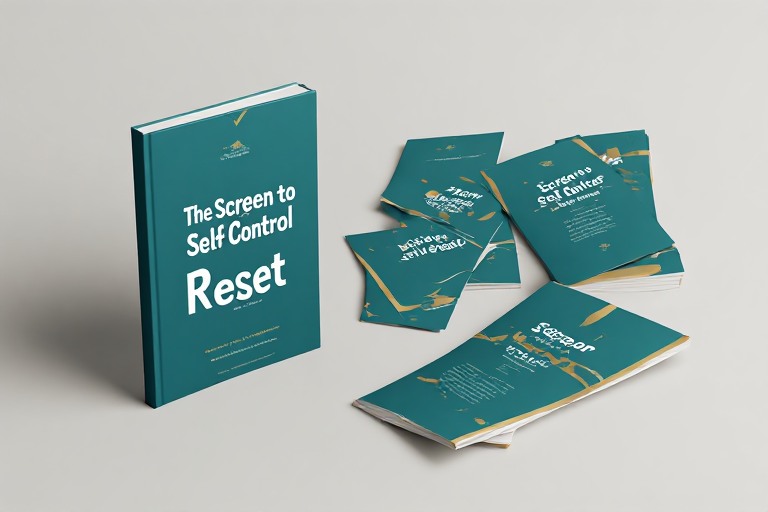
The Screen-to-Self-Control Reset™
How to End the Screen-Time Battle for Good, One Transition at a Time

Everything in the S.T.E.P.™ Method, documented and written in plain language, so you can start using it tonight:
You don't need to buy an app, install anything, or change your whole parenting style. Everything in this guide works with things you already have at home. There's nothing to purchase beyond the guide itself.
Compare That to What Parents Usually Try First
How Much Does This Guide Cost?
Putting this guide together wasn't free. Here's roughly what went into it:
A fair price for everything in this guide would be $15. But screen-time stress is something almost every parent I know is dealing with right now, so if you take action today, you won't pay that.
Once You Click That Button, Here's What Happens
- You're taken to a secure payment page.
- You complete your payment, card or other supported method.
- Your guide is delivered straight to your email within a couple of minutes.
It's me, Naya. As long as your payment goes through, your access is guaranteed. No waiting, no manual steps on your end.
Wait — I Have Something Extra For You
If you get the guide today, you'll also get these three tools from inside the Parent's Battle Kit, free:
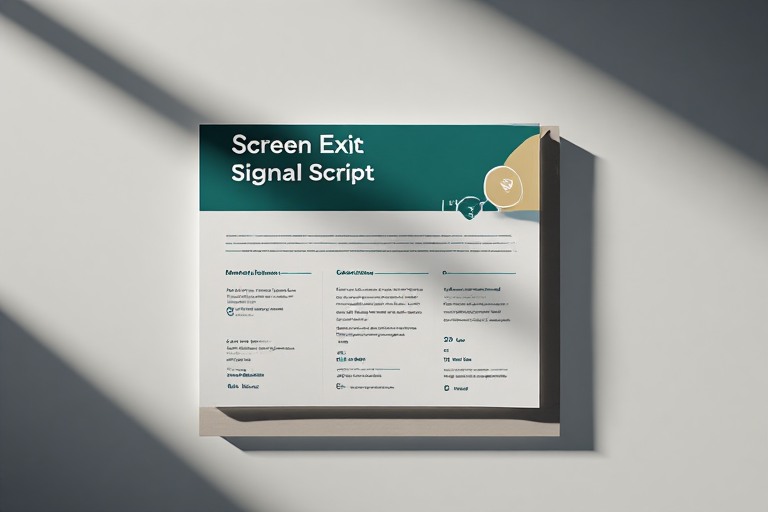
The exact wording for the 20/10/5-minute warnings, ready to use tonight, no need to write your own.
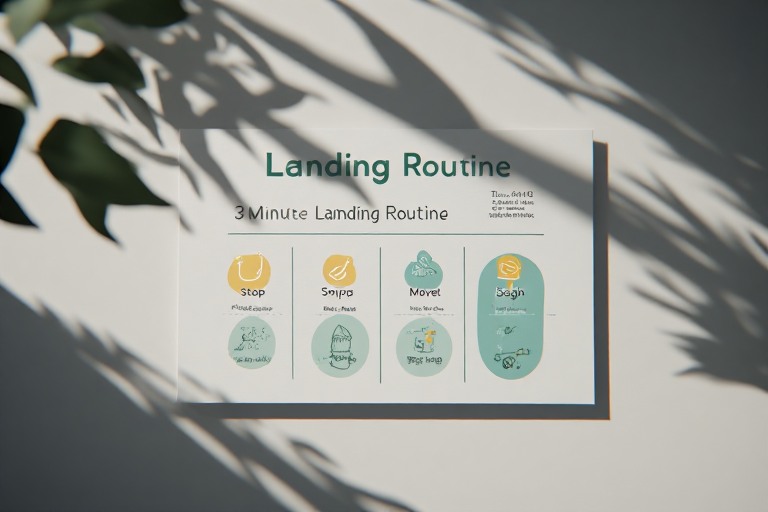
A printable card with the Stop, Move, Reset, Begin sequence, so the whole family can follow the same steps.
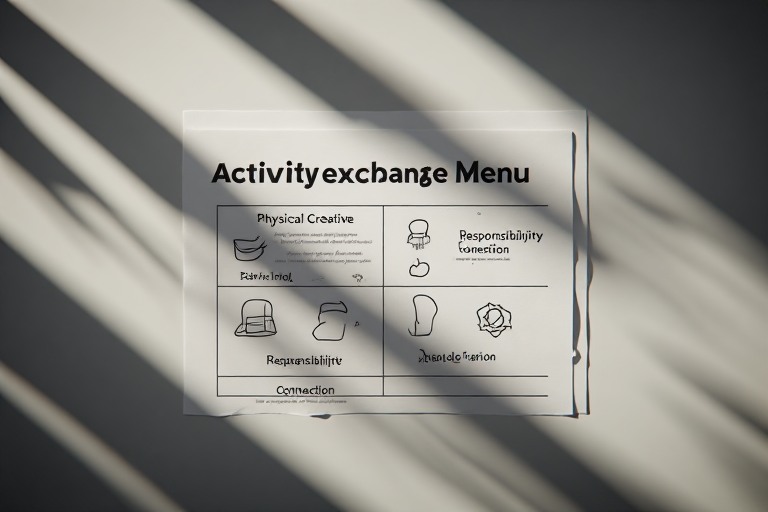
A ready-made list of replacement activities by category, so you never have to think of something on the spot.
Everything You're Getting Today
Comments (2)
The part about the ending itself becoming the source of conflict really landed for me.
This explains exactly what's been happening at bedtime in our house. Trying the signal sequence tonight.